How to Choose Men's Travel Bags
Tips for Maintaining Your Luggage Bags: How to Extend Longevity and Care
Taking care of luggage bags is crucial for preserving their functionality and appearance over time. Regular cleaning, correct keeping, and timely fixes can greatly extend their lifespan. Many travelers overlook simple maintenance practices that can prevent damage and deterioration. Understanding the best methods for maintenance is important. As travelers get ready for their next adventure, they might wonder about the particular actions they can implement to ensure their luggage remains in peak condition.
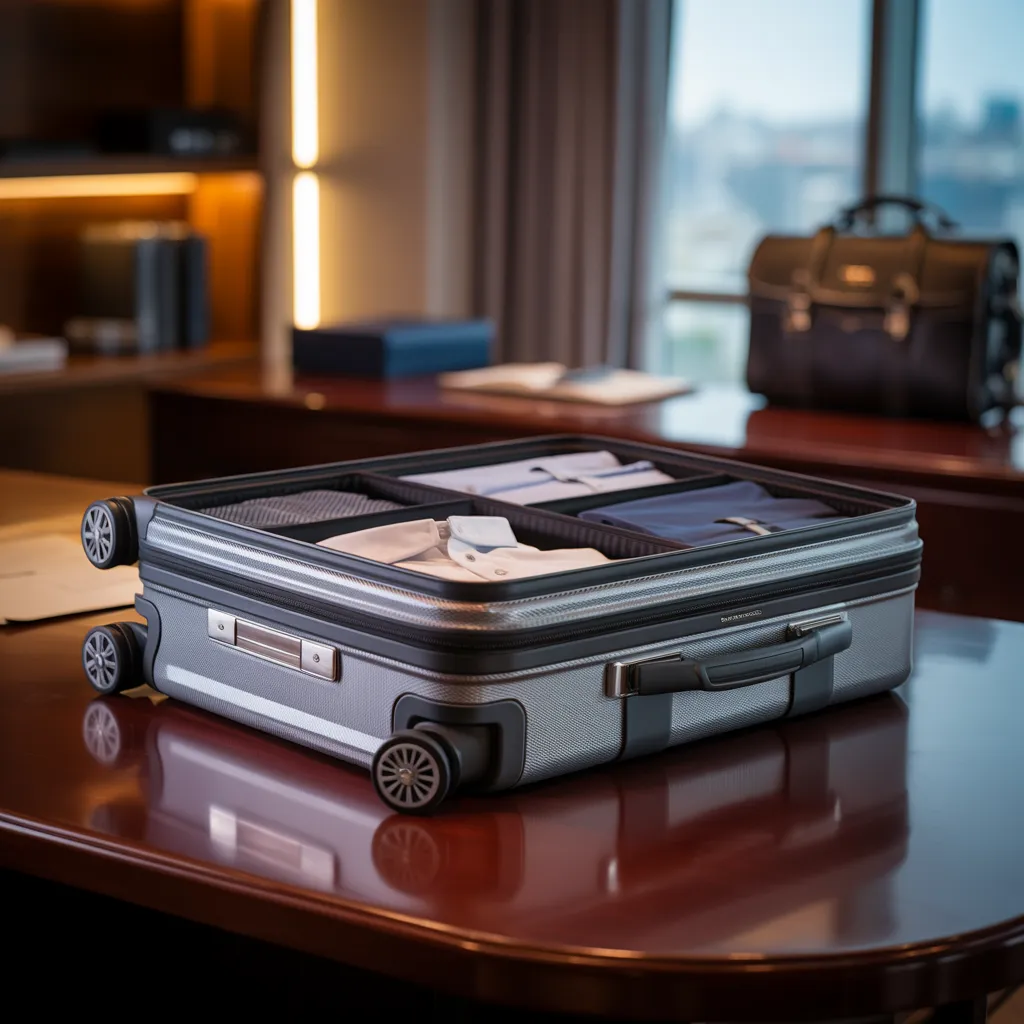
Cleaning Your Suitcase: A Step-by-Step Instruction Manual
Maintaining luggage involves cleaning it to preserve its state and longevity. First, clear all compartments, confirming nothing is left inside. Then, gently brush the exterior using a soft brush or cloth to remove dust and debris. Fabric luggage should be cleaned with a mixture of mild soap and water applied by sponge, while leather requires proper leather cleaner to avoid damage. It's essential to test any cleaning solution on a limited, read about this unobtrusive area beforehand.
After washing, the luggage should be rinsed with a damp cloth to eliminate soap residues. For stubborn stains, a mixture of water and vinegar may be successful, but care should be taken. Finally, the luggage should be air-dried fully before storing, ensuring that moisture doesn't lead to mildew. Regular cleaning not only improves appearance but also prolongs the life of the luggage, rendering it a beneficial practice.
Protect Your Luggage: Optimal Practices for Longevity
Appropriate preservation of luggage is essential for ensuring its longevity and keeping its overall condition. When not in use, luggage should be kept in a cool, dry place to protect against damage from humidity and extreme temperatures. Ideally, it should be stored upright to maintain its shape, preventing any unnecessary pressure on the zippers and seams.
If possible, employ dust bags or protective covers to shield luggage from dust and scratches. Avoid placing heavy items on top of luggage, as this can distort its structure over time. For soft-sided bags, keeping them partially packed with soft items can help maintain shape, while hard-shell cases should be kept empty to prevent any internal pressure.
Frequently inspecting the storage area for pests or moisture can eliminate chronic deterioration. By following these preferred approaches, individuals can guarantee their luggage keeps in excellent condition for future travels.
Resolve Common Luggage Issues Easily
Frequent luggage difficulties, including defective zippers, seams, and damaged handles or wheels, can typically be corrected with uncomplicated repairs. Knowing fundamental repair techniques can increase the lifespan of luggage and boost travel experiences. This section will present effective approaches for resolving these frequent problems.
Repairing Zippers and Seams
Zippers and seams are key components of luggage, and when they fail to work, they can harm the robustness of the bag. To address zipper malfunctions, one can often apply a lubricant, such as silicone spray or graphite, to smooth movement. If a zipper is misaligned, gently tugging the slider back can restore alignment it. For damaged zippers, changing the slider may be important, which can be accomplished with a few primary tools.
Seams, on the other hand, may need sewing if they come undone. Using a needle and strong thread, one can carefully mend the seam, making sure the stitches are tight and secure. Regular inspection and prompt repairs can greatly increase durability of luggage bags.
Mending Handle and Wheels
Handles and wheels are crucial for the mobility of luggage, and when they fail, journeys can become frustrating. To repair a broken handle, one can often reattach it using screws or adhesive, depending on the damage. For wheels, inspect for debris or obstructions, as these can hinder movement. If a wheel is damaged, substituting it may be necessary; many luggage brands offer compatible replacement parts. A simple toolset, including a screwdriver and pliers, is often sufficient for these repairs. Routine upkeep, such as cleaning wheels and checking for wear, can avoid issues. By addressing these components promptly, travelers can extend the life of their luggage and avoid inconvenience during trips.
Protect Your Luggage From Damage on the Go
Travelers must execute safeguarding measures to preserve their luggage from likely harm while on the move. A reinforced luggage cover can furnish an vital layer of protection against scratches and scuffs during transit. Additionally, adhering to sound packing methods is necessary; items should be secured to prevent slippage, which can produce deterioration and damage.
When going through busy airports or train stations, it is recommended to keep track of luggage at all times. Using a unique label, such as a colorful strap or tag, can help reduce theft risk and ensure easy identification. Moreover, travelers should avoid overpacking, as excess weight can strain zippers and seams, leading to damage.
Finally, when examining bags, choosing a dependable copyright and understanding their baggage policies can reduce the likelihood of mishandling. By adopting these strategies, travelers can substantially extend the life expectancy of their luggage.
Essential Add-ons for Baggage Upkeep
A well-cared for suitcase can enhance a traveler's experience, rendering vital components important for luggage care. One primary accessory is a protective cover, which protects against scratches and dirt during transit. These covers come in multiple dimensions and designs, ensuring compatibility with assorted suitcase models.
Also, packing cubes can aid in managing belongings and cut down on clutter, facilitating packing and unpacking simpler. A quality luggage lock provides security, keeping safe valuables from potential theft. In addition, a portable luggage scale is crucial, helping travelers steer clear of overweight baggage fees by ensuring compliance with copyright weight limits.
Finally, a portable maintenance set can be beneficial for maintaining the suitcase's exterior, allowing for quick touch-ups after trips. By investing in these accessories, vacationers can greatly extend the life of their baggage while improving their overall travel experience.
Travel Safely With Your Baggage: Advice and Strategies
While traveling, picking luggage constructed from robust materials is vital for ensuring safety and long-term durability. Moreover, securely fastening belongings can prevent theft and keep items protected during transit. By prioritizing these factors, travelers can improve their overall luggage satisfaction.
Pick Robust Materials
Picking luggage built from tough fabrics is vital for maintaining durability and safeguarding throughout journeys. Premium materials, such as polycarbonate, ballistic nylon, and high-density polyester, can handle the rigors of frequent transport and various environmental factors. These fabrics are not only protected against abrasions and impacts but also waterproof, providing an added layer of safety for items. Also, reinforced stitching and sturdy closures enhance overall resilience, minimizing deterioration as time passes. Passengers should consider compact options that maintain strength, as this can facilitate easier carrying. By prioritizing tough materials, travelers can significantly lower the likelihood of injury, ensuring their luggage stays practical and trustworthy for years to come.
Secure Your Possessions
Protecting your possessions while on trips is essential for avoiding loss or theft. Travelers should consider using bag locks to discourage unwanted entry, ensuring bags are securely closed. Additionally, using organization cubes can help organize items and make it harder for thieves to rapidly reach valuables. It is advisable to store essential items, such as passports and electronics, in carry-on luggage rather than baggage compartments. When in transit, passengers should keep sight with their luggage whenever possible and refrain from leaving bags unsupervised in crowded areas. Utilizing identification tags with personal details can aid in recovery if bags are misplaced. By implementing these methods, travelers can notably enhance the safety of their belongings while on the move.
Frequently Raised Questions
When Should I Clean My Luggage Bags Often?
Luggage bags should ideally be washed after every trip, especially if they display visible dirt or stains. Regular maintenance improves their look and durability, guaranteeing they remain in good condition for future trips.
Which Fabrics Are Most Durable for Luggage?
Polycarbonate, ballistic nylon, and high-denier polyester are considered among the most strong materials for luggage. These fabrics provide excellent resistance to wear and tear, assuring long-term durability and steadfastness during extensive travel or rough handling.
Is It Possible to Customize My Luggage for Better Identification?
Yes, bags can be customized for simpler recognition. Consider adding distinctive straps, personalized tags, or distinctive decals. These alterations enhance visibility and minimize the chances of mix-ups while traveling, ensuring bags stand out effectively.
How Do I Choose the Right Luggage Size for Travel?
Selecting the appropriate bag dimensions is determined by travel duration and personal needs. For short trips, a carry-on suffices; extended travels may necessitate bigger luggage. Think about space for essentials, souvenirs, and copyright restrictions when choosing.
Is Warranty Coverage Accessible for Luggage Bags?
Many baggage manufacturers provide coverage plans, typically addressing manufacturing defects. Consumers should review coverage terms prior to purchasing, as conditions vary widely. A strong protection plan can improve long-term contentment and protect from unexpected problems.